Renters insurance in Chandler is for your things, not the building

Renters insurance in Chandler is designed for three things: your belongings, your liability to other people, and the extra cost of living somewhere else if a covered loss makes your rental unlivable. It does not insure the building. The walls, roof and plumbing belong to the landlord, and the landlord’s own policy is the one written for them.
What a policy pays, and for what, depends on your policy’s terms, limits and exclusions, and coverage is subject to eligibility and availability.
Key takeaways
- A renters policy generally combines three protections: personal property, personal liability and additional living expenses.
- Your landlord’s insurance is written for the building and the landlord, not for a tenant’s couch, clothes or laptop.
- FloodSmart.gov, the National Flood Insurance Program’s site, says most renters insurance does not cover flood damage.
- List what you own room by room and price it at today’s cost; that total is your starting point for a personal property limit.
- Before you quote, gather your move-in date, the insurance section of your lease and a rough idea of what you own, as our renters insurance page lists.
In this article
What does renters insurance cover?
A renters policy generally has three parts: your belongings, your liability, and additional living expenses. The Insurance Information Institute, an industry education group, describes these as the three basic protections in a renters policy. Each part usually carries its own limit, shown on your declarations page.
What does personal property coverage do?
It helps repair or replace your things after a loss your policy covers. Every policy lists the causes of loss it includes, and the Insurance Information Institute names fire, smoke, lightning, vandalism, theft, explosion and windstorm among the typical ones.
What does liability coverage do?
It helps when you are legally responsible for someone else’s injury or for damage to their property, such as a guest who gets hurt in your apartment. The Insurance Information Institute notes that the liability part of a renters policy can help pay for your legal defense and for court awards, up to the policy limit.
What are additional living expenses?
If a covered loss forces you out while the rental is repaired, this part helps with the extra cost of living somewhere else. The Insurance Information Institute lists hotel bills, temporary rentals and restaurant meals as examples, and explains that policies generally pay the difference between your normal costs and the higher costs you face while displaced.
Does it pay actual cash value or replacement cost?
That depends on the policy you choose. The Insurance Information Institute defines actual cash value as the cost to replace your things minus depreciation for age and wear, and replacement cost as the cost to replace them with no deduction for depreciation, both up to your limit. Ask which one a quote uses before you compare limits.
Why doesn’t your landlord’s policy cover your things?
A landlord’s policy is written to protect the landlord’s building and the landlord’s own liability, not a tenant’s belongings. The Insurance Information Institute says a landlord’s insurance won’t replace a tenant’s possessions or pay the tenant’s living costs while the building is repaired. Your belongings need a policy of their own.
If you rent a home or condo out to someone else, see our landlord insurance page instead.
What does your lease ask for?
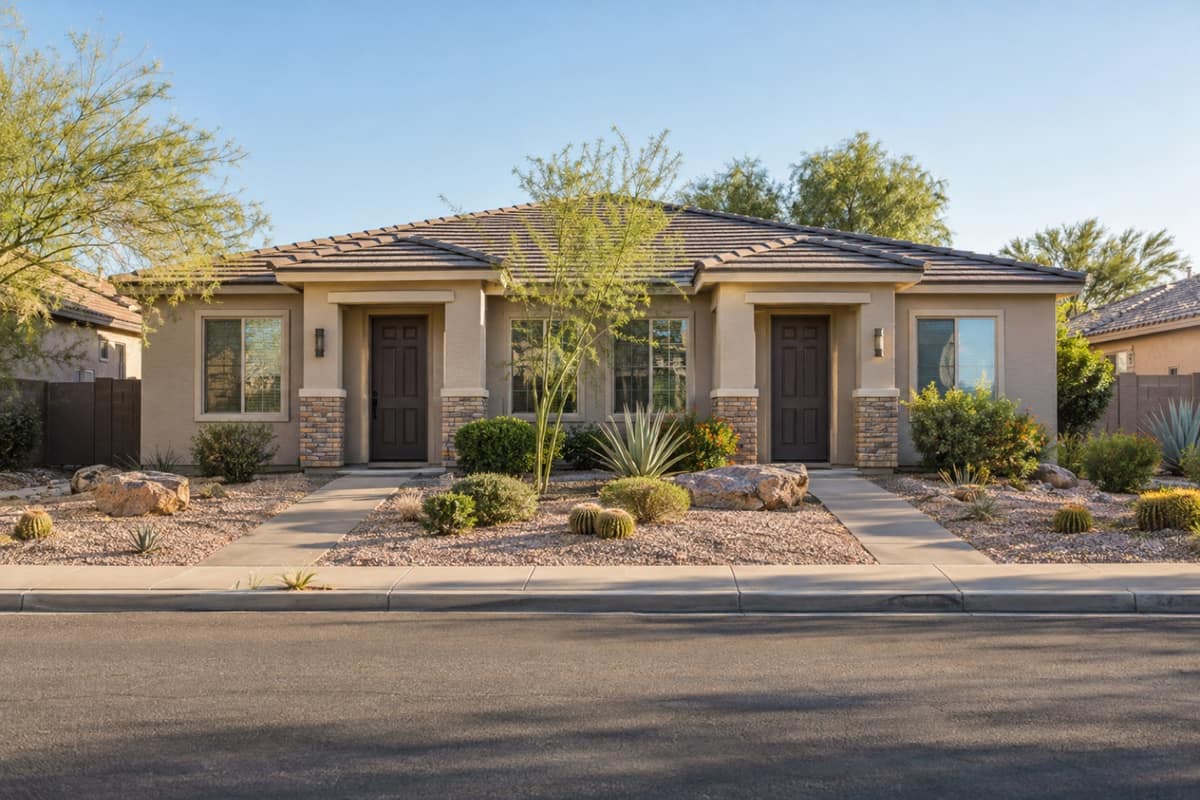
Read the insurance section of your lease before you shop. A lease that requires renters insurance may also ask for a minimum liability limit, for your landlord or property manager to be listed on the policy, or for proof of coverage before move-in. Set the policy start date to the day your lease begins or the day you get the keys, whichever comes first.
What does renters insurance usually leave out?
Every policy has exclusions, and flood is the one to check first in a place with summer monsoon storms. FloodSmart.gov, the National Flood Insurance Program’s website, states that most homeowners and renters policies do not cover flood damage.
FloodSmart.gov says the NFIP sells flood coverage for renters’ belongings, up to $100,000, and that a new NFIP policy generally takes effect 30 days after purchase, with a few listed exceptions. That waiting period is the reason to decide before monsoon season, not during a storm warning.
What else is commonly excluded?
The Insurance Information Institute notes that a standard renters policy does not cover earthquakes, and that vehicles need their own auto policy. Its guide also explains that liability coverage does not pay when you or your pets damage your own things, and that valuables such as jewelry are often subject to a lower limit that an add-on, called a floater or endorsement, can raise. Read the exclusions and special limits in your own policy, and ask about a floater for any item worth more than those limits.
How do you estimate what you own?
Make a room-by-room home inventory, then total what it would cost to replace everything today. The Insurance Information Institute recommends a home inventory, a detailed list of your possessions and their estimated value, to figure out how much coverage to buy, and says an up-to-date list makes filing a claim faster.
- Walk one room at a time. List furniture, clothes, electronics, kitchen items, bedding and towels.
- Take photos and video. FloodSmart.gov’s guide to documenting your belongings suggests photographing major household items and valuables and noting serial numbers where they exist.
- Add what you know. Note brands, models and rough purchase dates, and keep receipts for bigger items.
- Price replacements at today’s prices. Estimate what each item would cost to buy new now, not what you paid years ago.
- Store a copy away from home. Keep the list and photos in a cloud folder, so a fire or theft at the apartment can’t take them too.
Have that total handy when you quote with KGB Insurance; it is the starting point for your personal property limit.
Do roommates need their own renters policy?
It depends on the insurer and the policy, so never assume a roommate’s things are protected under your name. The Insurance Information Institute notes that the rules differ from state to state and policies differ from company to company. It also explains that some insurers let unmarried partners who live together buy joint coverage, while a partner is usually not insured automatically and has to be named on the policy.
Before you sign a lease with roommates, settle three questions: whose name is on each policy, whose belongings each policy protects, and how liability works for shared spaces. Our agents can tell you how a specific policy treats the people in your household: call (480) 545-8877 or email us.
Get a renters insurance quote in Chandler
KGB Insurance is an Allstate exclusive agency serving Chandler and all of Arizona. Start a renters quote, or call (480) 545-8877, Mon–Fri 8 a.m.–6 p.m. or Sat 8 a.m.–noon. Planning to buy a home soon? See how an auto and home bundle works. Hablamos español.
Frequently asked questions
Does renters insurance cover flooding from a monsoon storm?
Usually not. FloodSmart.gov says most renters insurance does not cover flood damage, and that the National Flood Insurance Program sells separate renters flood policies for belongings. A new NFIP policy generally starts 30 days after purchase, with a few exceptions, so decide before storm season starts.
Does renters insurance cover my car?
No. The Insurance Information Institute notes that vehicles are not covered by renters insurance and need a separate auto policy. How belongings left inside a car are treated is a separate question that depends on your renters policy’s terms, limits and exclusions.
What should I have ready for a renters insurance quote?
Your move-in date, the insurance section of your lease and your inventory total. The lease tells you any minimum liability limit, landlord listing or proof of coverage it asks for, and the inventory total is the starting point for your personal property limit. With those in hand, start a renters quote or call (480) 545-8877.
When should my renters policy start?
Set the start date for the day your lease begins or the day you get the keys, whichever comes first. If your lease asks for proof of coverage, start the quote before move-in day.
Are borrowed items protected by my renters policy?
The Insurance Information Institute says a standard renters policy generally applies to items in your possession, including things you borrowed or received as gifts. Your own policy’s terms, limits and exclusions decide how a specific item is treated.
More insurance tips
- Auto · Arizona lawArizona’s 25/50/15 minimum, explainedRead the guide
- Home · MonsoonMonsoon wind, hail and flood: how a home policy treats eachRead the guide
- Auto · After a crashAfter a car accident in Arizona: what to share, photograph and reportRead the guide
Mon–Fri 8–6 · Sat 8–12
Ask about your own place.
Have the insurance section of your lease and your inventory total handy; we’ll use them to set the limits on your renters quote. In English or español.
Get a quote Call (480) 545-8877