After a car accident in Arizona, the law says stop and share info
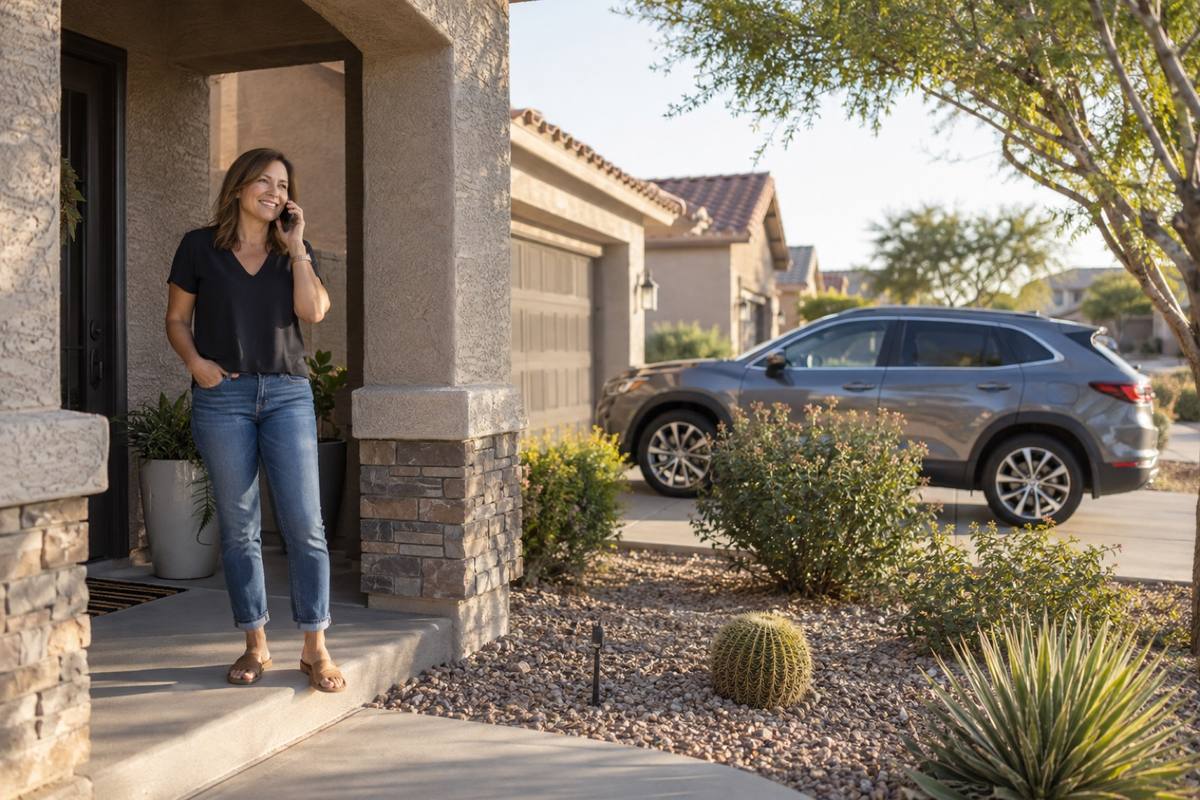
After a car accident in Arizona, check for injuries first and call 911 if anyone is hurt. Then stay. Under A.R.S. 28-661 and A.R.S. 28-662, a driver in a crash that injures someone, or that damages a vehicle driven or attended by a person, must stop at the scene or as close to it as possible and remain there until the duties in A.R.S. 28-663 are done.
Those duties are to give your name, your address and your vehicle’s registration number, show your driver license if asked, and give reasonable help to anyone injured.
Key takeaways
- Arizona law (A.R.S. 28-661 and 28-662) requires drivers in an injury crash, or a crash that damages an attended vehicle, to stop and stay at the scene.
- Under A.R.S. 28-663, you must give your name, address and vehicle registration number, show your license on request, and help anyone injured.
- On divided highways, A.R.S. 28-674 requires moving a drivable car out of the travel lanes when no serious injury is apparent and the move is safe.
- Under A.R.S. 28-667, the agency that investigated the crash must give a copy of its report to a person involved, on request, with limited exceptions.
- When you report the crash to your insurer, have your policy number, the other driver’s details, your photos and the police report number ready.
In this article
What should you do in the first minutes after a crash?
Check that everyone is okay, call 911 if anyone is hurt, and get out of traffic only if it is safe. For minor freeway crashes, the Arizona Department of Transportation advises drivers to make sure everyone in the vehicle is okay, move a drivable car to the shoulder, median or an exit, call 911, and never leave the scene.
When does Arizona law require you to move your car?
A.R.S. 28-674 applies to crashes on controlled-access highways and other highways divided into two or more marked lanes. When serious injury or death is not apparent, drivers must move their vehicles out of the main travel lanes to the shoulder, emergency lane or median if the move is safe and the car can be driven normally without a tow. The same statute says moving your car this way, before police arrive, does not by itself make you liable or at fault for the crash.
Who do you have to notify?
If anyone is injured or killed, A.R.S. 28-666 requires the driver to notify police right away by the quickest means available: the local police department inside a city or town, the county sheriff, or the nearest highway patrol office.
What does Arizona law require you to share at the scene?
Your name, your address and the registration number of the vehicle you are driving, plus your driver license if someone involved asks to see it. That is the information duty in A.R.S. 28-663. The same statute requires reasonable help for anyone injured, including arranging a trip to a doctor or hospital when treatment is clearly needed or the injured person asks for it.
What if you hit a parked car?
A.R.S. 28-664 says to stop and then either find the owner or operator and give them the name and address of the driver and of the owner of your car, or leave a written note with those details in a conspicuous place in the car you hit.
Do you need proof of insurance at the scene?
Yes. A.R.S. 28-4135 requires drivers to keep current evidence of financial responsibility in the vehicle and allows it to be shown on a phone. Under the same statute, not producing it when an officer investigating a crash asks for it is a civil traffic violation.
What should you photograph and write down?
Take photos once you can do it safely and away from traffic; on a divided highway with no serious injuries, move a drivable car out of the travel lanes first, as A.R.S. 28-674 requires. If the cars are still where they stopped, photograph their positions before they are moved or towed.
- Photograph every vehicle. Take wide shots and close-ups of the damage, plus each license plate.
- Photograph the scene. Capture the lanes, signals, signs, debris, light and weather.
- Write down the other driver’s details. Name, address, phone, plate and registration number, plus their insurance company and policy number if they share them.
- Get witness contacts. Names and phone numbers of anyone who saw the crash.
- Note the officer and the report number. Ask which agency is handling the crash and how to request its report.
- Keep every receipt. Towing, a rental car and other out-of-pocket costs.
How do you get a copy of the police report?
Ask the agency that investigated the crash; under A.R.S. 28-667, it must give a copy of the report to a person involved, on request. The same statute requires the investigating officer to complete a written report, a shorter version for some minor damage-only crashes, within 24 hours after finishing the investigation. It also lets an agency deny a request when releasing the report would harm a criminal investigation.
Can you find out the other driver’s insurance company?
If the other vehicle is registered in Arizona, ADOT’s Motor Vehicle Division takes an Insurance Information Request. ADOT’s page says you need a crash report from a law enforcement agency and a notarized request form. For a crash on private property where police did not come, it says to get a crash report from the agency with jurisdiction first.
How do you report the claim?
Report the crash to your insurance company as soon as you reasonably can, then let your agent know.
Have these ready when you report it: your policy number, the date, time and place of the crash, the other driver’s details, your photos and the police report number. Whether a specific loss is covered depends on your policy’s terms, limits and exclusions. Your agent can explain how your coverages work but cannot promise how a claim will be decided.
Know your auto coverage before you need it
A crash is the wrong time to find out what your policy includes. Have your current declarations page handy, and KGB Insurance will quote the limits you carry today, then walk through anything you’d change, such as higher liability limits or collision and comprehensive coverage. Our auto insurance page explains each coverage. Call (480) 545-8877, Mon–Fri 8 a.m.–6 p.m. or Sat 8 a.m.–noon, or start a quote online. Hablamos español.
Frequently asked questions
Do I have to call the police after a minor fender bender in Arizona?
The immediate-notice rule in A.R.S. 28-666 applies to crashes that injure or kill someone. In a damage-only crash, A.R.S. 28-662 and 28-663 still require you to stop and exchange information, and A.R.S. 28-671 lets a city or town require drivers to file a crash report by ordinance. ADOT’s Insurance Information Request also needs a crash report from a law enforcement agency.
Will moving my car make it look like I caused the crash?
Not by itself. A.R.S. 28-674 says a driver who moves a vehicle out of the main travel lanes under that statute, before police arrive, is not liable or at fault solely because of the move. The rule covers controlled-access and multi-lane divided highways when no serious injury or death is apparent and the car can be driven safely.
What happens if I leave the scene of an accident in Arizona?
Under A.R.S. 28-661, failing to stop or to meet the duties in A.R.S. 28-663 after a crash that injures someone is a felony. Under A.R.S. 28-662 and 28-664, failing to stop after hitting an attended or an unattended vehicle is a class 1 misdemeanor.
Do I have to help someone who was hurt in the crash?
Yes. A.R.S. 28-663 requires a driver involved in a crash to give reasonable help to anyone injured, including arranging a trip to a doctor or hospital when treatment is clearly needed or the person asks for it. Under the same statute, failing to give that help is a class 6 felony. Call 911 first so trained responders are on the way.
What should I have ready for an auto insurance quote?
Your ZIP code, the VIN for each car, the name, birth date and driver’s license number of each driver, and your current declarations page if you have one. With those in hand, start an auto quote or call (480) 545-8877.
More insurance tips
- Auto · Arizona lawArizona’s 25/50/15 minimum, explainedRead the guide
- Home · MonsoonMonsoon wind, hail and flood: how a home policy treats eachRead the guide
- RentersWhat renters insurance is built for, and what it leaves outRead the guide
Mon–Fri 8–6 · Sat 8–12
Ask about your own policy.
Have your declarations page handy and we’ll quote the limits you carry today, then walk through anything you’d change. In English or español.
Get a quote Call (480) 545-8877